Sewer Line Issues: Early Warning Signs & When to Repair
Plumbing issues never wait for a convenient moment. One minute, everything’s fine. The next, you’re smelling something foul or watching water creep across your basement floor. We’ve seen it all at Super Snake Plumbing. Sewer line troubles are one of the most stressful surprises a homeowner can face—and catching the warning signs early can mean the difference between a quick fix and a full-blown disaster.
Let’s break it down. The early signals are easy to miss if you don’t know where to look. But once you spot them, quick action can save you time, money, and a massive headache. Here’s what every homeowner should know.
The Most Common Signs of Sewer Line Trouble
Sewer lines are like the arteries of your home’s plumbing system. When they’re blocked or broken, the warning lights start flashing—if you know how to read them.
Watch for These Red Flags:
- Slow Drains: Not just one sink—multiple drains gurgling or draining slowly? That’s not normal.
- Gurgling Toilets: If your toilet bubbles or makes strange noises, it’s a sign of trapped air from a blockage.
- Unpleasant Odors: Sewer gases have a distinct, rotten smell. If you notice this indoors or outside, it’s time to investigate.
- Soggy or Sunken Lawns: A patch of grass that’s greener, soggier, or sinking could mean sewage is leaking underground.
- Recurring Clogs: If you’re reaching for the plunger often, the problem may be deeper than a simple clog.
Ignoring these signs is like ignoring a “check engine” light in your car. The longer you wait, the worse it gets.
What Causes Sewer Line Problems? 🌳
Sewer lines face a lot of enemies beneath the surface. Here’s what usually goes wrong:
- Tree Roots: Roots hunt for moisture and can break straight through old pipes, causing blockages and leaks.
- Aging Pipes: Materials like clay or cast iron can crack, collapse, or corrode over decades.
- Ground Shifts: Soil settling or freeze-thaw cycles can shift pipes out of alignment, causing cracks or breaks.
- Grease & Debris: Pouring fats or flushing wipes leads to buildup that narrows your pipes.
- Heavy Rain & Flooding: Too much groundwater can overwhelm old or damaged lines.
According to the International Plumbing Code (IPC), even minor cracks or leaks must be addressed to avoid health hazards and property damage.
Risks of Ignoring Sewer Line Issues
Letting sewer line problems fester is like letting termites eat away at your home’s foundation—out of sight, but devastating.
Here’s what can happen if you don’t act:
- Sewage Backups: Wastewater can flow the wrong way, flooding your rooms with contaminated water. It’s as bad as it sounds.
- Health Hazards: Raw sewage carries bacteria, viruses, and mold. Exposure can cause serious illness.
- Structural Damage: Persistent leaks soften soil, leading to foundation cracks or even sinkholes.
- Skyrocketing Repair Bills: A quick fix today could turn into a full pipe replacement tomorrow.
The U.S. Environmental Protection Agency (EPA) lists sewer backups as a major risk to health and home value—so don’t wait.
Quick Safety Checklist
If you suspect a sewer line problem, pause and check these basics:
- Avoid Contact: Don’t touch standing water or sewage with bare skin.
- Shut Off Water: If possible, turn off main water supply to limit damage.
- Ventilate: Open windows to let sewer gases escape.
- Keep Kids & Pets Away: Prevent accidental contact until the issue is resolved.
- Document the Problem: Take photos and notes for your own records.
If you smell gas, hear hissing, or suspect a gas line issue, evacuate immediately and call your utility provider.
DIY Fixes vs. Calling a Pro
Some clogs can be handled with a trusty plunger or a simple drain cleaning near you. But sewer line problems are a whole different beast.
DIY:
- Plungers may work for a single slow drain.
- Drain snakes can clear out minor blockages.
Call Super Snake Plumbing if:
- Multiple drains are slow or backing up.
- You notice sewage odors inside or outside.
- Water is pooling in your yard or basement.
- You hear persistent gurgling from toilets or tubs.
Sewer lines run deep and are connected to municipal systems. Fixing them requires special tools, permits, and know-how.
What the Pros Do When They Arrive 🚚
Here’s what to expect when Super Snake Plumbing shows up:
- Assessment: We listen to your concerns and inspect visible fixtures.
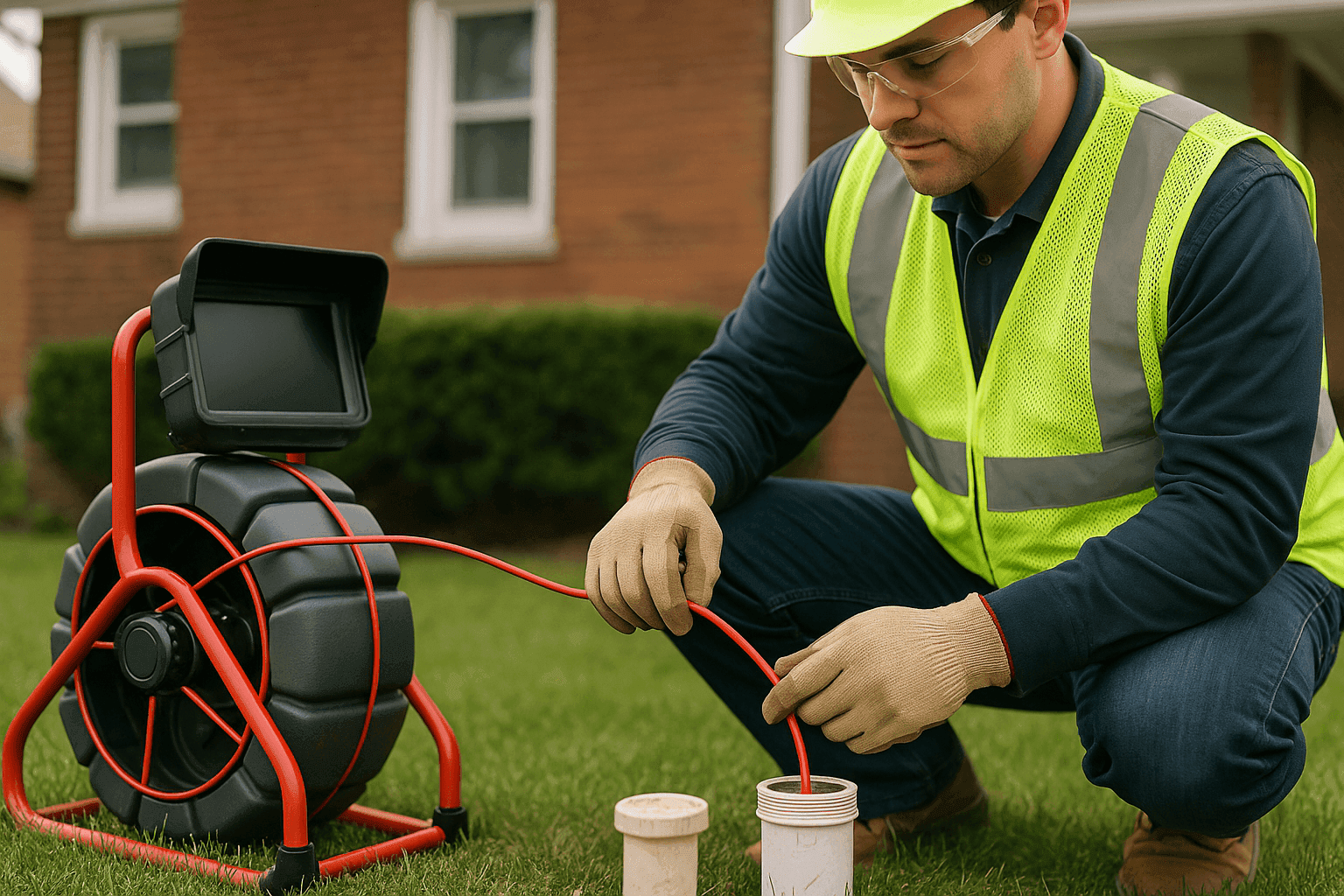
- Camera Inspection: Using a flexible video camera, we snake through your main sewer line to pinpoint the blockage or break. This takes the guesswork out of repairs.
- Diagnosis: We identify whether roots, cracks, buildup, or other issues are to blame.
- Plan of Action: Depending on the problem, we might recommend hydro-jetting, pipe relining, or targeted excavation.
- Clear Communication: We explain the problem and solution in plain English—no surprises.
We use methods that follow state and local plumbing codes for safety and compliance.
Prevention & Maintenance
A little prevention keeps big problems at bay:
- Don’t flush wipes or hygiene products. Even if they say “flushable.”
- Keep grease out of your drains. Pour cooled fats into a can, not your sink.
- Schedule annual drain cleaning to clear buildup before it becomes a blockage.
- Install backflow prevention devices if your area is prone to heavy rain.
- Know your landscaping: Trees near sewer lines? Have us inspect yearly.
According to the Plumbing-Heating-Cooling Contractors Association (PHCC), regular inspections catch 80% of developing issues before they become emergencies.
Costs & Time Factors
Sewer repairs aren’t one-size-fits-all. Here’s what can affect the price and timeline:
- Type of repair: Clearing a blockage is quicker and less costly than replacing a collapsed line.
- Depth and length of pipe: Deeper or longer lines take more time and labor.
- Location: Pipes under driveways or landscaping need more careful work.
- Permitting: Some repairs require approval from your local building department.
Most inspections and minor repairs can be done in a day. Bigger jobs, like full pipe replacements, can take several days. Emergency plumbing is always prioritized for safety and to limit property damage.
When It’s an Emergency 🚨
If you see any of these, call for emergency plumbing immediately:
- Sewage backing up into sinks, tubs, or toilets
- Strong sewage odors throughout your home
- Standing water or flooding in basements or yards
- Unexplained lush or sunken patches in your lawn
- Multiple plumbing fixtures clogging at once
Waiting only increases the risk of health hazards and major repairs.
Frequently Asked Questions
How often should sewer lines be inspected?
We recommend a camera inspection every 1–2 years, especially in older homes or those with large trees nearby.
Are sewer line repairs covered by homeowners insurance?
It depends. Most policies exclude normal wear and tear but may cover sudden, accidental breaks. Check your policy or ask your agent.
Can I prevent tree roots from invading my pipes?
You can plant trees away from sewer lines and schedule regular inspections. Some root barriers and slow-release chemicals can help, but nothing beats professional monitoring.
What’s the difference between a clog and a broken pipe?
A clog is a blockage (like grease or wipes). A broken pipe means the pipe itself is cracked, collapsed, or separated—often requiring more intensive repair.
Local & Seasonal Considerations
In colder months, freeze-thaw cycles can shift soil and crack old pipes. Heavy spring rains can overload sewer systems, especially in older neighborhoods. If your area experiences lots of trees, shifting soil, or extreme weather, consider more frequent inspections and preventative maintenance.
Real-World Repairs: What Success Looks Like
We’ve helped families with everything from minor clogs to major sewer replacements. In one case, a homeowner called about a foul smell and slow-draining sinks. Our camera inspection revealed roots had broken through a clay pipe. Using trenchless pipe lining, we repaired the line without tearing up the yard. The home was back to normal in just two days.
Another family noticed a soggy patch in their lawn after a week of heavy rain. We used leak detection and found a cracked pipe. After a targeted repair, their lawn and plumbing both returned to normal.
Acting early kept these situations from becoming household disasters.
Act before a small problem becomes a big one. Call Super Snake Plumbing now — or reach us anytime at 877-837-7140 .