Top 10 Signs Your Home Has a Hidden Plumbing Leak
Ever had that sinking feeling when your water bill jumps for no reason? Or heard the sound of running water when every tap is off? You’re not alone. Hidden plumbing leaks are sneaky—they slip in quietly, but their damage can be loud and expensive.
We get it. At Super Snake Plumbing, we’ve seen homes with warped floors, ruined walls, and even growing mold—all caused by leaks no one saw coming. Emergency plumbing calls usually start with a mystery: “Why is there water here?” Let’s help you solve that puzzle before it turns into a nightmare.
Why Early Leak Detection Matters 🕵️
Leaks can be like termites—out of sight, but busy behind the scenes. By the time you spot puddles or peeling paint, the damage is already underway. Water seeps into wood, drywall, even your home’s foundation. That can mean repairs that take weeks, not days.
More than just money, leaks risk your family’s health. The U.S. Environmental Protection Agency warns that consistent moisture leads to mold and mildew. Not only do these smell bad, but they can trigger allergies and breathing problems.
Spotting a leak early keeps your home safe, your wallet happy, and your peace of mind intact.
Top 10 Signs Your Home Has a Hidden Plumbing Leak
Keep your eyes (and nose, and ears!) open for these subtle warning signs:
-
Unexplained High Water Bills
If your usage habits haven’t changed, but your bill has, water may be running somewhere you can’t see. -
Damp, Spongy, or Warm Spots on Floors or Walls
Feeling a squishy carpet or a strangely warm tile? Hidden leaks often lurk beneath. -
Musty or Moldy Smells
Water behind walls or under floors doesn’t dry up. It breeds mold, and that odor is a big red flag. -
Visible Mold or Mildew
Mold loves dark, damp places. If it’s popping up on walls, ceilings, or baseboards, suspect a leak. -
Peeling Paint or Discolored Walls
Water trapped behind paint causes bubbling or streaks. Sometimes it looks like a coffee stain—only nobody spilled a drop. -
Ceiling or Wall Stains
Water leaks often show as yellowish or brown stains up above or along the wall. -
Sound of Running Water
If you hear water when all fixtures are off, listen closely. That’s a leak’s calling card. -
Low Water Pressure
A sudden drop in pressure can mean water is escaping from the pipes before it reaches your faucet. -
Cracks in Foundation or Walls
Over time, water weakens structural supports. Tiny leaks can grow into big cracks. -
Puddles or Wet Spots in the Yard
Even if it hasn’t rained, you may see soggy patches or greenery growing faster over a hidden burst.
Quick Homeowner Leak Checklist
Run through this simple list every few months:
- Check under sinks and behind toilets for moisture.
- Look for new stains or bubbling paint on ceilings and walls.
- Smell for mustiness in closets, basements, and crawlspaces.
- Listen for running water when all taps are off.
- Test your water meter: Turn off all water, then check the meter for movement.
- Inspect outside: unexplained wet patches or lush grass in one area may mean a buried leak.
- Review your water bill every month for jumps.
Catch issues early, and you’ll avoid the domino effect of bigger, costlier repairs.
DIY or Call a Pro? Knowing Your Limits
Some leaks are easy to spot, like a dripping faucet or a pool under the sink. Those you might tackle with a wrench and a little patience. But hidden leaks are different. Chasing them can feel like looking for a ghost.
If you notice more than one sign from the list—or if you can’t trace the source—call in emergency plumbing help. Water damage can worsen quickly. It’s better to be safe than sorry (and soggy).
What Plumbing Pros Do On Arrival 🧰
When Super Snake Plumbing arrives, the detective work begins. Here’s what we bring:
- Thermal Imaging Cameras: These spot temperature changes behind walls or floors, revealing cold or warm “tracks” where water is escaping.
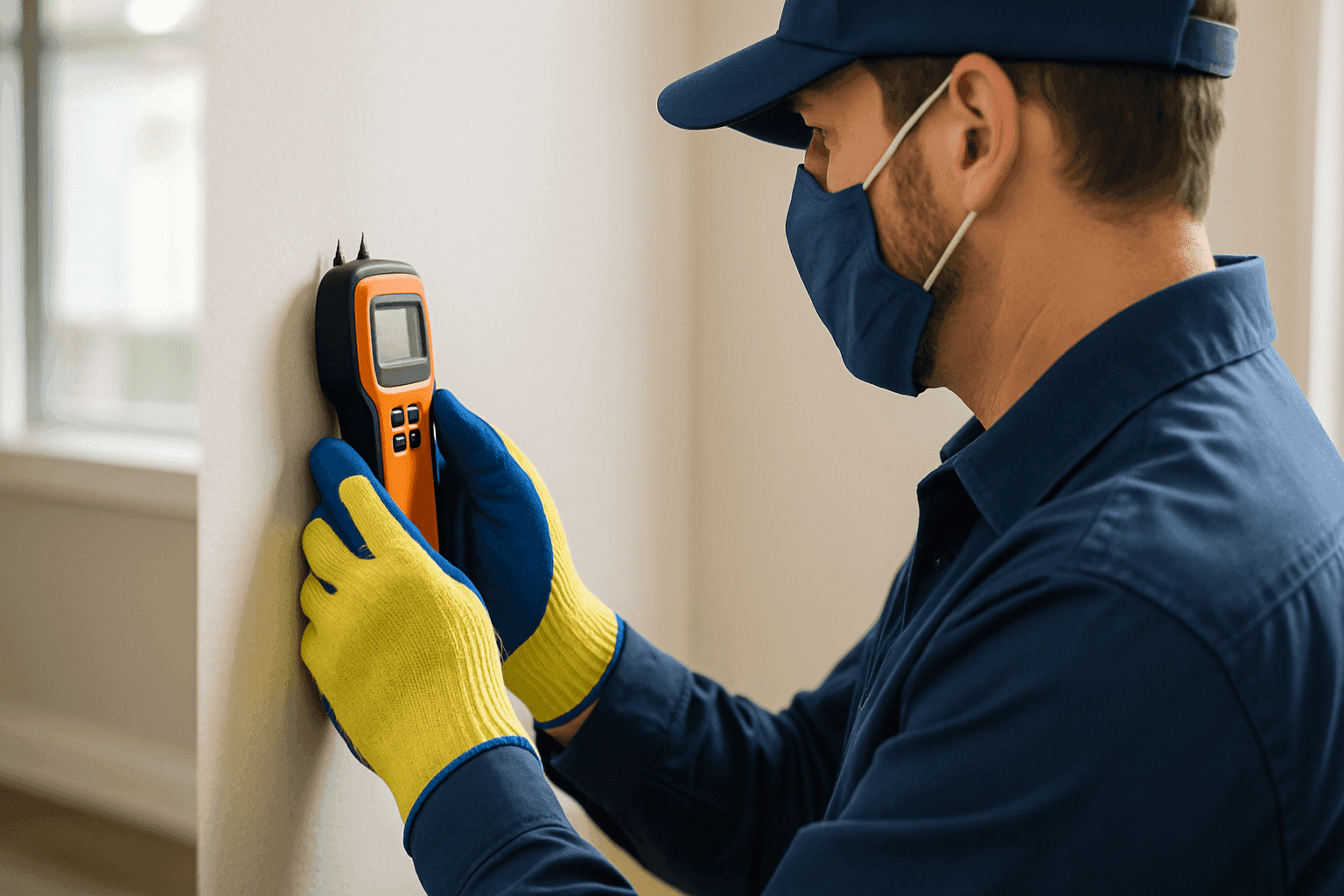
- Moisture Meters: These measure how damp your walls and floors are, even if everything looks dry.
- Acoustic Listening Devices: Sometimes, we listen for the faint sounds of a leak, even through concrete.
- Video Inspection Tools: For drain cleaning near you, we use tiny cameras that travel inside pipes to find cracks or blockages.
Our licensed plumbers follow all state and local plumbing codes. We’re trained in leak detection and water safety standards, including those set by the International Association of Plumbing and Mechanical Officials (IAPMO).
Prevention & Maintenance: Stop Leaks Before They Start
You don’t have to wait for disaster. Simple steps can help:
- Schedule yearly inspections—especially if your home is older.
- Don’t ignore minor drips. They’re often the “tip of the iceberg.”
- Replace worn washers or hoses on washing machines and dishwashers.
- Install water alarms in basements or under sinks.
- Know where your main shutoff valve is.
- Consider periodic leak detection services, especially before vacations.
The National Association of Home Builders recommends checking visible pipes and connections at least once a season.
Costs & Time Factors: What to Expect
Leak repairs vary. Fixing a leaky faucet is fast and affordable. Hidden leaks inside walls or underground? Those take more time and equipment. Emergency plumbing services may cost more for immediate response, especially outside regular hours.
Water damage repair—like replacing drywall, flooring, or insulation—can add up. Insurance may cover sudden, accidental leaks, but not damage from long-ignored issues. Document everything and call your insurance provider promptly.
When It’s an Emergency 🚨
Some leaks just can’t wait:
- Water pouring from ceiling or walls
- Sudden drop in water pressure everywhere
- Sewage smells or visible waste water
- Flooding in basement or crawlspace
In these cases, shut off your home’s main water supply. Then call emergency plumbing pros right away.
Frequently Asked Questions
How do I find my main shutoff valve?
Usually near where the main water line enters your house—often in the basement, garage, or outside wall.
Can small leaks really cause big problems?
Yes. Even a drip can rot wood, encourage mold, and invite pests.
Will my insurance cover leak repairs?
Most policies cover sudden, accidental damage. Ongoing, slow leaks may not be covered if neglected.
Should I repair leaks myself?
Surface leaks like a loose hose are DIY-friendly. Hidden or persistent leaks call for pros with proper tools and certifications.
Local & Seasonal Considerations
Weather plays a role. In cold climates, frozen pipes can burst and leak when they thaw. In rainy regions, saturated ground can push water through cracks. If you’re in an area with older pipes, annual checks are a smart investment.
If you ever spot a leak, act fast. Water waits for no one—and neither do we.
Call Super Snake Plumbing now — or reach us anytime at 877-837-7140 .