Emergency Plumbing Guide: What to Do Before Help Arrives
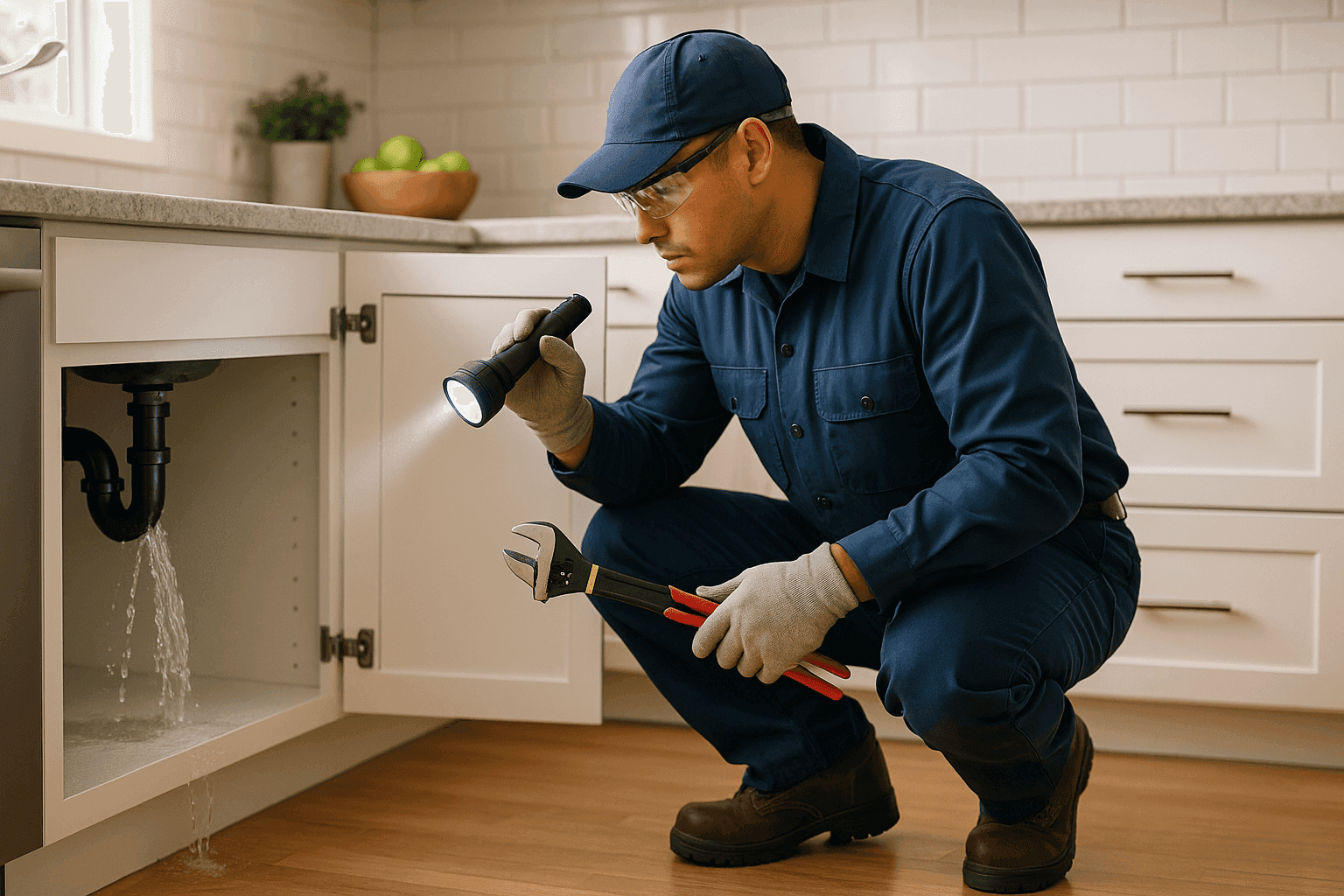
When water starts pouring from somewhere it shouldn’t, your heart rate spikes. Carpets get soggy. Floors turn slippery. Panic sets in. Plumbing disasters never stick to a 9-to-5 schedule—they strike in the dead of night, during family gatherings, or in the depths of winter.
Super Snake Plumbing is here to walk you through the first crucial minutes. We handle emergencies 24/7, but what you do before help arrives can make all the difference. Here’s how to keep your cool—and your home safe—when the pipes rebel.
Spotting the Problem Fast
It’s easy to freeze up when water gushes across the floor or a toilet threatens to overflow. But every second counts. Think of your home as a ship: the faster you patch the leak, the less you sink.
- Burst pipes: Sudden drops in water pressure, walls bulging, or the unmistakable sound of water running where it shouldn’t.
- Overflowing toilets or sinks: Water rising fast, refusing to drain, or backing up from multiple fixtures at once.
- Major leaks: Puddles under sinks, dripping ceilings, or water stains that grow by the minute.
Look for clues. Listen for hissing, gurgling, or splashing. Trust your senses—plumbing emergencies rarely whisper.
Quick Safety Checklist 🛑
Before grabbing towels or buckets, check these off:
- Shut off water at the source. Most fixtures have a small valve beneath or behind them. Clockwise to close.
- If you can’t isolate it, turn off the main water supply. Usually found in the basement, garage, or front yard.
- Switch off power near water. Never touch outlets or switches if water is pooling—shut off at the breaker if safe.
- If you smell gas, evacuate immediately. Don’t use phones or switches inside. Call 911 from a safe location.
- Keep pets and kids away from the area. Water can hide live wires or slippery hazards.
- Move valuables and electronics out of harm’s way.
- Ventilate if safe. Open windows to reduce humidity and mold risk.
DIY or Call in the Pros?
Some situations are like a leaky faucet—annoying, but manageable with a wrench and patience. Others are like a burst dam—leave those to the cavalry.
What You Can Try
- Stopping running water: Use shutoff valves under sinks, behind toilets, or at your main supply.
- Containment: Lay down towels, buckets, or pans to catch drips.
- Clearing minor clogs: A plunger can sometimes handle a stubborn toilet or sink backup.
- Turning off power (if water is nearby): Only if you can do so without stepping in water.
What You Shouldn’t Do
- Don’t open walls or ceilings to search for leaks. You risk hitting wires or gas lines.
- Don’t use chemical drain cleaners in standing water. They can splash or react dangerously.
- Don’t light matches or use electronics if you suspect a gas leak.
- Don’t try to repair pressurized pipes yourself. High pressure can cause injury.
- Don’t ignore the problem, hoping it’ll go away. Water damage compounds fast.
What to Tell the Plumber When You Call
Having clear info makes everything faster—and safer:
- Where’s the problem? Kitchen, bathroom, basement, yard.
- What happened? Pipe burst, toilet overflow, strange smells, water not draining.
- Any recent work or odd weather? Freezing temps, storms, renovations.
- How much water is leaking? Trickling, pouring, flooding.
- Are power or gas lines nearby? Mention if you’ve shut anything off.
- Is anyone sick, injured, or at risk? Prioritize safety.
Keep this info handy. If you’re too shaken to remember, don’t worry—our team will walk you through it.
What Pros Do On Arrival
Picture us as the paramedics for your plumbing. When Super Snake Plumbing’s crew arrives, here’s what typically happens:
- Assessment: We locate the source—sometimes hidden behind walls or underground.
- Shutoff: If the main wasn’t turned off, we’ll handle it.
- Containment: We’ll use tools to stop or redirect the flow.
- Inspection: Using leak detectors, moisture meters, and sometimes cameras for sewer lines.
- Repairs: Depending on the problem—pipe patches, drain snaking, fixture replacement, or more advanced solutions.
- Safety checks: Especially for gas or electrical risks.
- Cleanup: We help control immediate damage, but may recommend specialty restoration for major floods.
We follow guidelines from the International Plumbing Code and local safety boards to ensure everything’s up to standard.
Prevention & Maintenance
An ounce of prevention beats a gallon of mop-water. Some simple habits can keep emergencies at bay:
- Insulate exposed pipes. Especially in basements, attics, or exterior walls. Cold snaps can burst pipes overnight.
- Check for slow leaks. Look under sinks, behind toilets, and around water heaters once a month.
- Know your shutoff valves. Practice turning them off before you need to.
- Avoid flushing wipes, grease, or debris. Even “flushable” products clog pipes.
- Schedule annual inspections. Drain Cleaning near you isn’t just for clogs—it’s a checkup for your plumbing’s health.
- Test sump pumps before heavy rain. Pour water in the pit to make sure it kicks on.
- Install water alarms or smart leak sensors. Early warning means faster action.
Costs & Time Factors
Emergencies don’t just hit your nerves—they can hit your wallet, too. Here’s what affects the scope:
- Severity: A small leak is cheaper and faster than a burst main.
- Accessibility: Pipes hidden in walls or under concrete take longer to reach.
- Time of day: Late-night or holiday calls may take longer to respond due to traffic or weather, but our team operates 24/7.
- Parts needed: Some repairs require specialized parts or tools.
- Water damage: Quick action can mean the difference between a mop-up and a major renovation.
While exact costs vary, most emergencies are resolved in a few hours, not days. The sooner you call, the less you’ll likely spend on repairs and cleanup.
When It’s an Emergency
Not every drip is a disaster. But some situations demand immediate action:
- Major leaks or flooding: Water spreading rapidly inside your home.
- Sewage backup: Raw sewage is a health risk—don’t wait.
- No water: Total loss of water can signal a major break.
- Gas smells or hissing: Shut off gas, evacuate, and call 911 before a plumber.
- Water near electrical panels or outlets: Risk of electrocution; turn off power and call for help.
- Frozen pipes (in winter): If you notice frost or no flow, call before pipes burst.
If you’re ever unsure, it’s better to call for advice. Super Snake Plumbing is always ready.
FAQ: Emergency Plumbing
What should I do if my toilet is overflowing?
Shut off the valve behind the toilet (turn it clockwise). Remove the tank lid and press down the flapper if needed. Don’t flush again. Call for help if you can’t stop the flow.
Can I use my sinks or showers during a plumbing emergency?
If the issue is isolated (like one clogged sink), you may be safe. If your main line is blocked or water is off, avoid using any plumbing until a pro says it’s okay.
How do I know if it’s a gas leak or just a plumbing issue?
If you smell rotten eggs or hear hissing, treat it as a gas leak. Evacuate and call 911 before reaching out to a plumber.
What’s the fastest way to shut off water to my house?
Find the main shutoff (often in the basement, crawlspace, garage, or near the street). Turn the valve clockwise until it stops.
Local and Seasonal Plumbing Surprises 🌨️
Emergencies have a way of picking the worst times. Some local quirks to watch for:
- Winter freezes: Pipes in exterior walls or unheated zones are at high risk. Even a quick cold snap can cause trouble.
- Spring storms: Heavy rain can overwhelm sump pumps and back up drains, especially in older homes.
- Holiday surges: Extra guests mean extra stress on toilets, kitchens, and hot water systems. Don’t wait for the turkey to hit the fan.
- Regional quirks: In some areas, older homes have pipes that corrode or clog faster, especially if water is hard or full of minerals.
Keep an eye on weather alerts, and don’t hesitate to call if you notice slower drains or odd noises—early action can prevent a late-night disaster.
When your pipes go rogue, don’t go it alone. Super Snake Plumbing is on call day and night, ready to tackle any emergency plumbing crisis—fast. Protect your home, your family, and your peace of mind.
Call Super Snake Plumbing now — or reach us anytime at 877-837-7140 .