Safe Gas Plumbing: Checks Every Homeowner Should Know
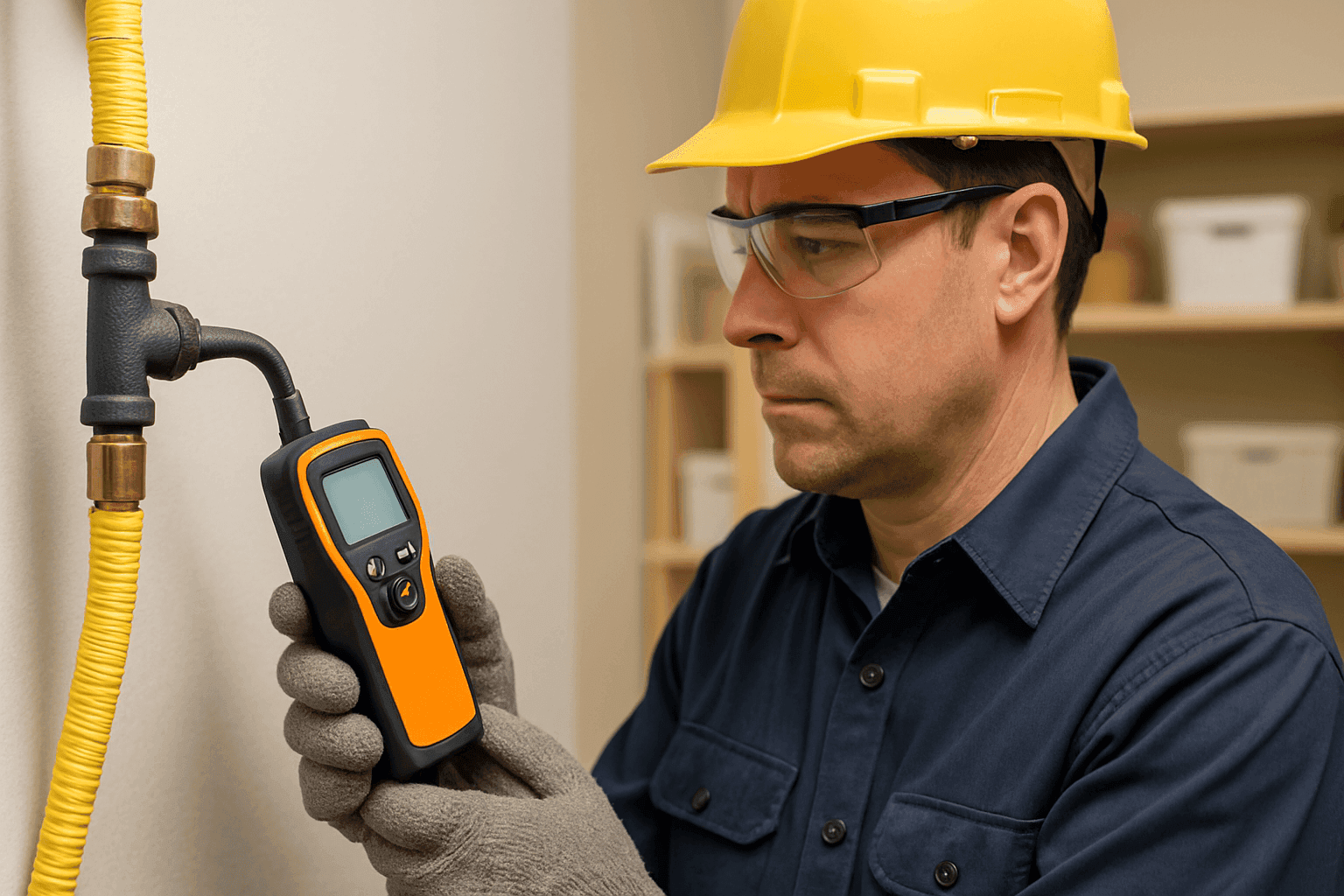
Gas keeps our homes warm, our showers hot, and our kitchens cooking. But what you can't see or smell can be dangerous. At Super Snake Plumbing, we know gas safety isn't just about peace of mind—it's about keeping your family safe, day and night.
Gas leaks don’t knock before they enter. That’s why regular checks, quick action, and a clear plan are as vital as the pipes themselves. Let's walk through what every homeowner should know—simple steps that could save a life.
The Invisible Threat: Why Gas Safety Can’t Wait
A gas leak is like a silent snake. You might not hear it slither, but the danger is real. Natural gas is odorless until a chemical called mercaptan is added—giving it a rotten egg smell. Still, leaks can go unnoticed, especially if they’re small or outside.
Here’s what’s at stake:
- Gas leaks can cause explosions or fires.
- Breathing in gas can lead to headaches, dizziness, or worse.
- Carbon monoxide (CO) from faulty appliances is deadly—and invisible.
It only takes one missed warning to turn a quiet evening into an emergency plumbing nightmare. That's why gas safety checks shouldn’t wait for a problem.
Quick Home Gas Safety Checklist 🛡️
The best defense is a good routine. Use this checklist to keep your home safe:
- Smell for gas: Ever notice a sulfur or rotten egg odor? Take it seriously.
- Listen for hissing: A faint hiss near pipes or appliances can signal a leak.
- Check appliance flames: Blue is good. Yellow or orange means trouble.
- Inspect vents: Make sure they’re clear of debris or nests.
- Look for soot: Black marks on appliances or nearby walls are a warning.
- Test CO alarms: Every home with gas should have working carbon monoxide detectors.
- Know your shutoff valve: Make sure everyone in your home knows where it is—and how to use it.
If you check these regularly, you’re ahead of most. But even the best checklist can’t replace a trained eye.
DIY: What You Can Check—And What You Shouldn’t
It’s tempting to fix things yourself, especially when it comes to simple tasks. But gas is different.
Safe to check or do:
- Visual inspections for obvious signs of trouble.
- Testing your CO detectors.
- Ensuring appliance vents are unobstructed.
- Turning off the main gas valve in an emergency.
What to leave to the pros:
- Detecting hidden leaks (requires specialized tools).
- Repairing or installing gas lines.
- Servicing boilers, water heaters, and stoves.
- Backflow prevention and gas pressure adjustments.
Think of it like a rattlesnake in the grass: if you spot one, don’t poke it—call a professional who knows how to handle it safely.
What Pros Do When They Arrive
When you call Super Snake Plumbing for emergency plumbing, here’s what happens:
- Immediate safety assessment: We check for leaks with certified detectors.
- Appliance testing: Every gas appliance is inspected for safe operation.
- Pressure testing: We ensure your system holds proper pressure, as required by code.
- Code compliance review: Our plumbers follow standards set by the International Fuel Gas Code (IFGC) and local regulations.
- Clear communication: You get a straightforward explanation—no jargon, just facts.
Our team holds up-to-date gas safety certifications and stays trained on the latest best practices. That’s not just talk; it’s how we keep homes safe.
Prevention & Maintenance: Your Safety Net
Think of gas safety like brushing your teeth. Skip it, and small problems turn into big ones. Here’s how to stay ahead:
- Schedule annual inspections: Don’t wait for a leak. Regular checks by licensed plumbers spot trouble early.
- Install CO detectors: Place them near bedrooms and gas appliances.
- Keep vents clear: Snow, leaves, or animal nests can block exhaust and cause CO buildup.
- Replace old appliances: Aging water heaters, furnaces, or stoves are more likely to fail.
- Know your appliances: Read the manuals. Look for warning lights or error codes.
The National Fire Protection Association (NFPA) and your local building department offer guidance on safe installation and maintenance—always follow their advice.
Time & Cost Factors: What to Expect
No one wants surprises on the bill or the clock. Here’s what usually affects the time and cost of gas plumbing work:
- Emergency visits: Faster response often means higher costs, but it’s worth it for safety.
- Inspection complexity: Simple leak detection can be quick. Full system checks take longer.
- Repair scope: Small fixes (like a loose fitting) cost less than replacing lines or appliances.
- Parts and permits: Some repairs need special parts or city permits, adding time.
Most routine checks can be done in under an hour. Major repairs or installations take longer, especially if walls or floors need opening. Ask your plumber for a realistic timeline based on your home’s needs.
When It’s an Emergency 🚨
Don’t hesitate—if you suspect a leak:
- Leave the area immediately. Don’t use lights, phones, or anything electrical.
- Shut off the main gas valve if safe to do so.
- Call your gas company’s emergency line and 911.
- Then call Super Snake Plumbing for emergency plumbing help.
Remember: It’s better to be safe and wrong than sorry and silent.
Frequently Asked Questions
How often should I have my gas system inspected?
At least once a year, or after any major renovation. If you notice any warning signs, call right away.
What’s the safest way to test for gas leaks myself?
Don’t use open flames or matches. If you suspect a leak, use soapy water on the pipe joints—bubbles mean a leak. But never rely only on this at home; call a professional.
Are carbon monoxide alarms required?
Yes, in most areas. Even if not, every home with gas appliances should have one, as recommended by the U.S. Consumer Product Safety Commission.
Can I install a gas appliance myself?
It’s not recommended. Local codes require certified installation, and a mistake can be deadly.
Local and Seasonal Considerations
Cold weather brings more than just icy sidewalks. Furnace and boiler use spikes, and so do gas emergencies. In spring and summer, outdoor grills and pool heaters come online—another source for leaks. Always check connections when starting up seasonal appliances.
Building codes vary. Some areas require backflow prevention devices or extra ventilation—Super Snake Plumbing knows the latest rules, so your home stays safe and up to code.
Your safety is our top priority. If you need emergency plumbing, gas leak detection, or want a routine checkup, don’t wait.
Call Super Snake Plumbing now — or reach us anytime at 877-837-7140 .