Repiping Your Home: When, Why, and What to Expect
Is your water turning brown? Pipes hissing like a snake in your walls? Or maybe you’re mopping up mystery puddles under the kitchen sink—again. The truth is, old plumbing can spring surprises that go from nuisance to full-blown emergency plumbing overnight.
At Super Snake Plumbing, we know the signs. And we know how disruptive—emotionally and practically—a major project like repiping can feel. Let’s break down when it’s time, how it works, and what you can expect every step of the way.
Why Would a Home Need Repiping?
Let’s imagine your house as a body. Pipes are its veins. When those veins get rusty, leaky, or clogged, the whole system suffers. Here are the biggest red flags:
- Persistent Leaks: Small drips that keep coming back, even after repairs. Leaks in multiple spots? That’s your house asking for help.
- Water Discoloration: Brown, yellow, or cloudy water. Old galvanized pipes rust from the inside out, sending flakes into your tap.
- Low Water Pressure: Dribbling showers or sinks that take forever to fill? Mineral buildup and corrosion can shrink pipe openings.
- Outdated Materials: Older homes (pre-1970s) often have galvanized steel or polybutylene pipes. Both are notorious for failing, and some insurers won’t cover them.
Plumbing codes and safety standards (see the International Plumbing Code and local building authorities) recommend regular checks—especially if your home is over 40 years old.
How to Tell If Your Home Needs Repiping 🏚️
Not every drip means disaster. Here’s how to spot “the point of no return”:
- Multiple Leaks: If you’re patching up new leaks every few months, repairs may cost more over time than replacing everything at once.
- Strange Tastes or Odors: Metallic, earthy, or “swampy” tastes can signal pipe corrosion or biofilm growth.
- Visible Corrosion: Green, white, or rusty stains on pipes, especially around joints.
- Frequent Clogs: If even professional drain cleaning near you isn’t solving recurring blockages, the problem could be old pipes shedding debris.
- Water Damage: Stained drywall, buckling flooring, or unexplained moisture—these could be hiding bigger pipe problems.
If you’re unsure, a licensed plumber from Super Snake Plumbing can perform a thorough inspection and leak detection, including camera checks inside your walls and floors.
Quick Safety Checklist Before Repiping
Before any big plumbing job, quick home prep keeps everyone safer:
- Know where your main water shut-off valve is.
- Clear access to sinks, bathrooms, and utility areas.
- Remove valuables or fragile items near work zones.
- Ask about the location of electrical panels—water and wiring don’t mix!
- Secure pets and inform family of the work schedule.
Safety comes first. According to the Occupational Safety and Health Administration (OSHA), any project involving water and power requires careful planning.
Do-It-Yourself or Call a Pro?
Tempted to take on a whole-house repipe yourself? For little fixes, maybe. But for repiping, here’s why most homeowners call Super Snake Plumbing:
- Hidden Dangers: Plumbing often runs through walls, ceilings, and floors. One missed pipe can cause flooding or leave you with no water.
- Building Codes: Local regulations require permits and inspections. Unpermitted work may lead to fines or insurance issues.
- Material Choices: Knowing whether to use copper, PEX, or CPVC isn’t just about cost—it’s about water safety and longevity.
For big projects, calling in experienced teams keeps your home safe and up to standard.
What Happens When the Pros Arrive
Wondering what the process looks like? Repiping is a bit like open-heart surgery for your house. Here’s how the journey unfolds:
Step 1: Assessment & Planning
- Super Snake Plumbing inspects your current system, checking pipe materials, sizes, and routes.
- We map out the new pipe paths, aiming to minimize holes and disruption.
Step 2: Protecting Your Home
- Drop cloths and plastic sheeting protect floors and furniture.
- Walls and ceilings are carefully opened only where needed.
Step 3: Removing Old Pipes
- Old pipes are cut out in sections. If they contain lead or other hazardous materials, we follow EPA safety protocols.
Step 4: Installing New Pipes
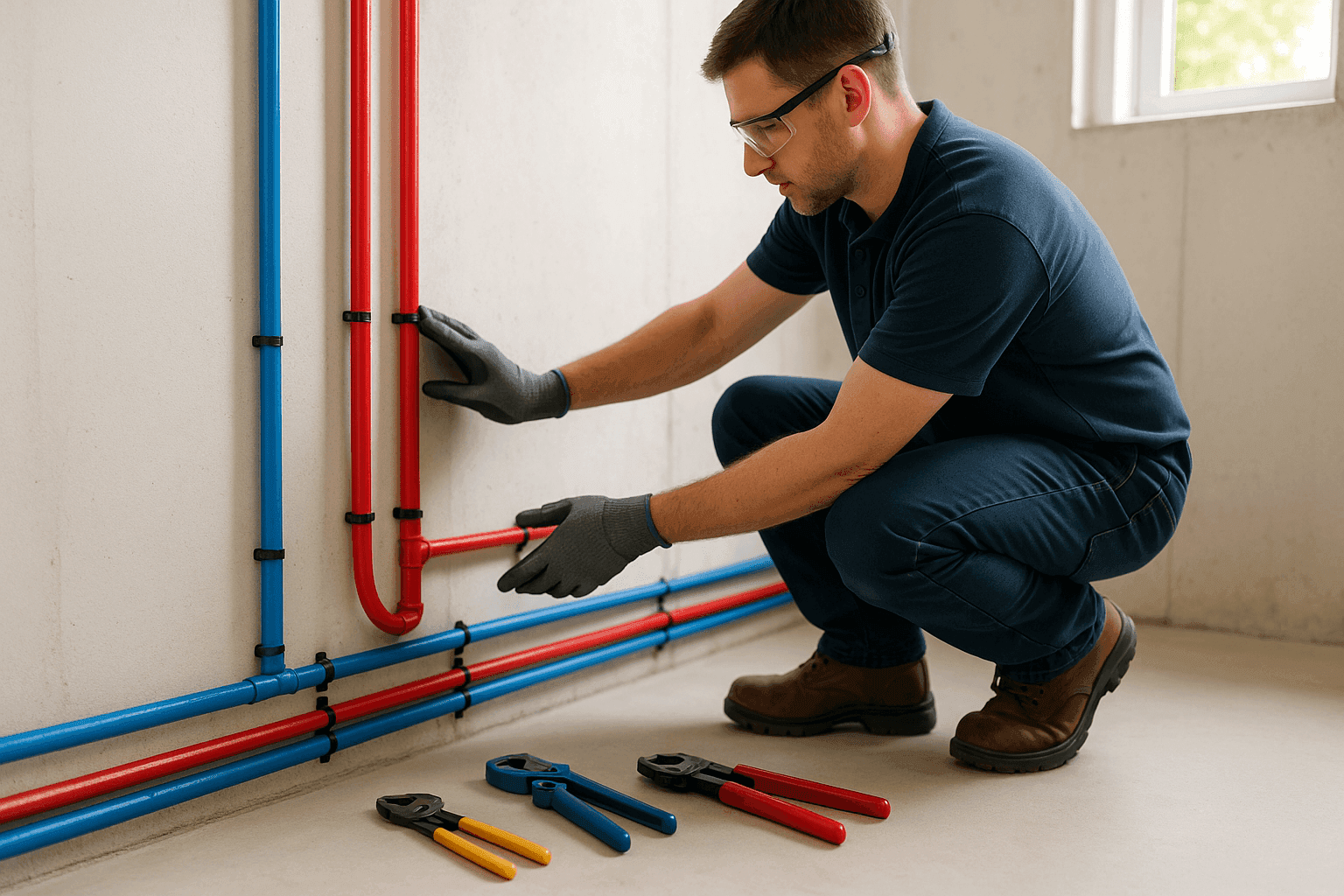
- Copper or PEX (cross-linked polyethylene) pipes are run through the house.
- New shut-offs and fixtures are installed for easier maintenance.
Step 5: Testing and Inspection
- The system is pressure-tested for leaks and checked for code compliance.
- Local building inspectors may review the work before walls are closed.
Step 6: Restoration
- Openings in walls and ceilings are patched and prepped for painting.
- We clean up all work areas, so you’re not left with a mess.
Choosing Your Pipe Material: Copper vs. PEX
Picking pipes is like choosing between a classic car and a modern hybrid.
- Copper: Strong, long-lasting, resists bacteria. It can handle high heat and pressure. Downsides? It’s pricier and can corrode in acidic water.
- PEX: Flexible, easy to install, and more affordable. It resists freezing and scale buildup. Not as long a track record as copper, but widely trusted in new builds.
Super Snake Plumbing will help you weigh the pros and cons for your specific home, water supply, and budget.
Costs & Time Factors 💸
Repiping isn’t cheap. But neither is fixing water damage again and again. Here’s what to expect:
- Cost Ranges: Vary by home size, number of bathrooms, and material choice. Whole-house repipes typically run into the thousands.
- Time Frame: Most repipes take 2–5 days, depending on scope and the complexity of your home’s layout.
- What’s Included: Labor, materials, wall repairs, and required inspections.
Good news: repiping can raise your home’s value and reduce emergency plumbing calls down the road.
Minimizing Disruption: Tips for a Smoother Project
No one wants their home turned upside down. Here’s how to make it easier:
- Plan Ahead: Schedule during a vacation or when the house is less crowded, if possible.
- Communicate: Let your plumber know about special needs (elderly residents, work-from-home schedules).
- Use Water Wisely: You may be without water for several hours each day. Fill pitchers and tubs for essentials.
- Containment: Keep pets and kids out of work areas for safety.
Super Snake Plumbing’s teams work in sections to keep at least one bathroom or water source available whenever possible.
What to Expect After Repiping
Once the dust settles, life gets easier:
- Clear water, steady pressure, and no more sudden cold showers.
- Fewer leaks and emergency plumbing calls.
- Depending on your materials, most new systems last 40–70 years.
All new work meets or exceeds local code requirements (check your city’s building department for specifics).
When It’s an Emergency
Sometimes repiping can’t wait. If you have:
- Major leaks flooding your home
- Burst pipes in winter
- Sewer line failures
Call Super Snake Plumbing for emergency plumbing. We respond 24/7, ready to stop damage and start repairs.
Repiping FAQ
Will my whole house be torn up?
No. Most walls and ceilings are only opened as needed. Advanced tools allow us to “snake” new pipes with minimal mess.
Can I stay home during the project?
Usually, yes. You’ll have partial water service most of the time, except during main tie-ins.
How long will my new pipes last?
Copper and PEX both last decades. With regular maintenance and water quality checks, most homeowners never have to repipe again.
Do I need a permit?
Yes—local codes (based on the International Plumbing Code) require permits and inspections for repiping.
Local and Seasonal Considerations 🏡
If you live in an area with extreme winters, older pipes are at higher risk of freezing and bursting. Summer storms or high groundwater can stress old sewer lines. Regular inspections and preventative maintenance catch problems before they become emergencies.
Final Thoughts
Repiping can feel overwhelming, but with the right team, it’s a fresh start for your home’s plumbing. At Super Snake Plumbing, our crews handle each project with care—from the first inspection to the final sweep. We’re here to answer your questions, explain each step, and keep your family’s water flowing safely.
Call Super Snake Plumbing now — or reach us anytime at 877-837-7140 .