Preventing Frozen Pipes: Winter Plumbing Tips for Homeowners
Winter can be cozy—until you hear that dreaded crack. Frozen pipes don’t just ruin mornings; they can wreck entire rooms. If you’ve ever dealt with ice-cold water or a soaked living room, you know: when pipes freeze, every minute counts.
At Super Snake Plumbing, we’ve seen burst pipes flood homes faster than you can grab a towel. But here’s the good news—most winter plumbing disasters are preventable. With the right steps, you can keep your pipes (and wallet) safe all season long.
Why Do Pipes Freeze and Burst?
Pipes freeze when the water inside them drops below 32°F (0°C). As water freezes, it expands—like a can left in the freezer overnight. This expansion puts tremendous pressure on pipe walls until, finally, they split. It’s not always the coldest pipes that burst; sometimes it’s the smallest crack that lets water escape and flood your space.
According to the Insurance Information Institute, burst pipes are one of the most common causes of winter water damage claims. In fact, a single burst pipe can spill hundreds of gallons in just a few hours, leading to costly repairs and long-term headaches.
Winter Plumbing Safety Checklist 🧤
Here’s a quick list to help you winterize your home and avoid frozen pipes:
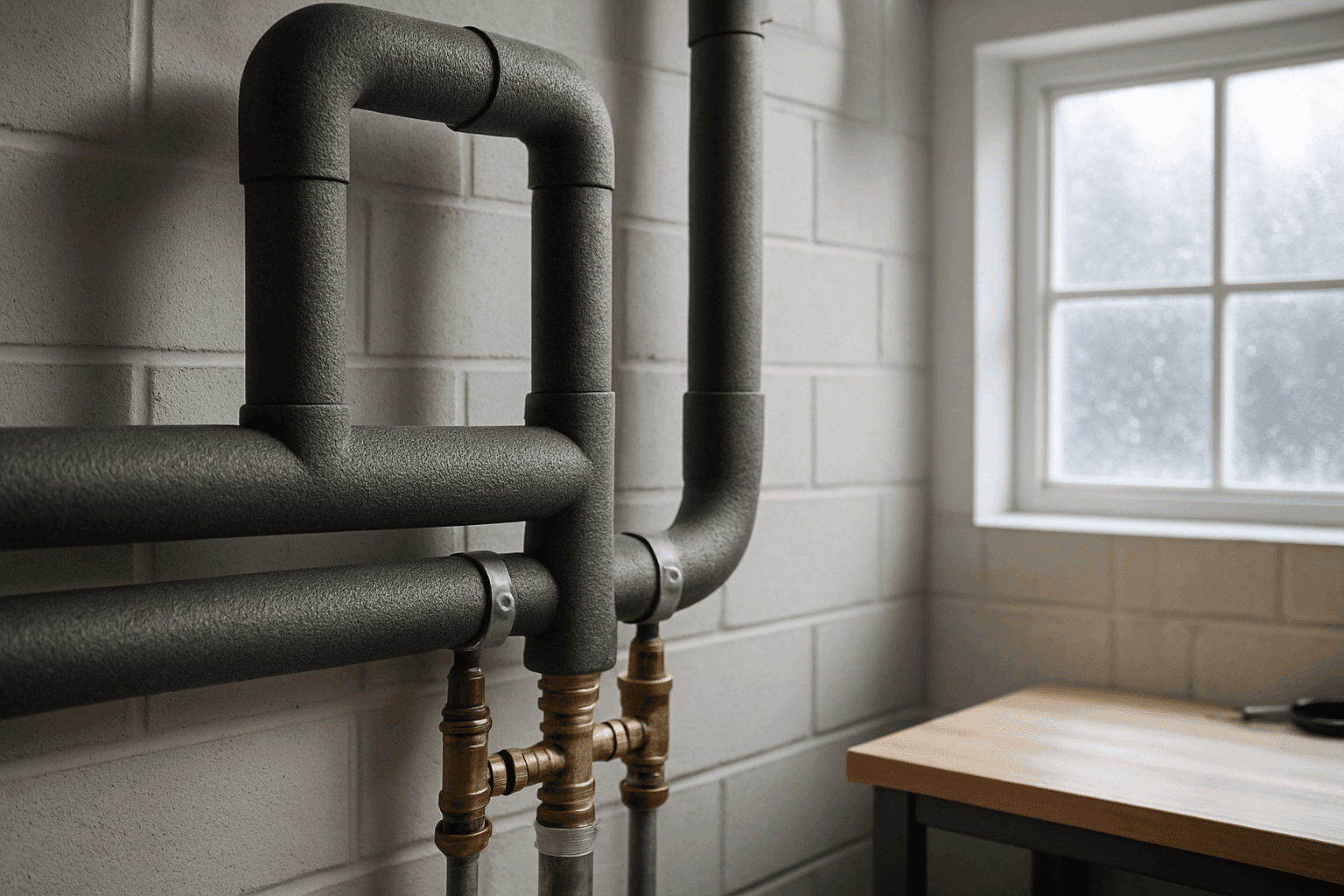
- Insulate exposed pipes: Use foam sleeves or pipe wrap, especially in attics, basements, and crawl spaces.
- Drip faucets: Let a trickle of cold water run overnight on especially frigid nights. Even a drip keeps water moving and less likely to freeze.
- Set your thermostat: Keep it at least 55°F (13°C) at all times, even if you’re away.
- Seal drafts: Check around windows, doors, and where pipes enter your home. Use weatherstripping or caulk to block cold air.
- Open cabinet doors: In kitchens and bathrooms, this helps warm air circulate around hidden pipes.
- Disconnect garden hoses: Shut off outdoor spigots and drain any remaining water.
- Know your main water shut-off valve: In an emergency, you’ll want to stop water flow fast.
Signs Your Pipes May Be Freezing
Catching problems early is key. Look out for:
- Frost on pipes: Visible ice or frost is a clear warning sign.
- Strange smells: If drains smell odd or musty, a frozen pipe could be blocking airflow.
- Little or no water flow: If faucets slow to a trickle, suspect a frozen section.
- Unusual noises: Bangs, whines, or gurgling can mean trouble.
If you notice any of these, act quickly—pipes may already be freezing.
DIY vs. When to Call Super Snake Plumbing
Some homeowners tackle minor freezes themselves. But when should you call in emergency plumbing help?
DIY Steps:
- Warm pipes gently with a hair dryer or space heater (never an open flame).
- Open faucets to allow thawed water to flow out.
- Add extra insulation or towels to exposed areas.
Call us when:
- You can’t locate the freeze.
- Pipes are bulging, cracked, or leaking.
- You hear water running behind walls.
- Water is pooling on floors or ceilings.
Remember: A quick call can mean the difference between a minor fix and a major flood.
What Our Pros Do When They Arrive
Here’s what to expect from a Super Snake Plumbing emergency plumbing call:
- Rapid assessment: We locate the freeze and inspect for hidden leaks.
- Safe thawing: Using pipe-safe heaters and thermal imaging, we thaw pipes without risking further damage or fire.
- Repairs & replacements: We patch or replace burst pipes, including copper, PEX, or PVC.
- Cleanup & advice: We help remove water, check for mold risk, and guide you on next steps.
Our team is trained to follow local building codes and safety guidelines, including recommendations from the American Red Cross and International Plumbing Code.
Prevention & Maintenance
Staying ahead of winter is easier than fixing a disaster. Here’s how:
- Schedule annual inspections: Super Snake Plumbing can check for weak spots, corrosion, or code issues before winter hits.
- Upgrade old plumbing: Consider repiping with modern materials less prone to freezing.
- Install smart sensors: Leak detectors and temperature alarms give early warnings.
- Maintain heating systems: A well-tuned furnace or boiler keeps your whole house (and your pipes) warmer.
- Backflow prevention: Stops contaminated water from entering your home if a pipe bursts.
Simple habits—like checking pipes before cold snaps or running a slow drip—can save thousands in repairs.
Costs & Time Factors
A burst pipe can cost anywhere from a few hundred dollars for a quick patch to several thousand for major water damage restoration, according to the Insurance Information Institute. The average insurance claim for water damage caused by frozen pipes is over $10,000.
Time matters: The longer water runs, the more damage it causes. Emergency plumbing teams like ours respond 24/7, but prevention is always faster—and cheaper.
When It’s an Emergency 🚨
Some situations can’t wait:
- Water pouring from ceilings or walls
- No water supply to parts of your home
- Screaming alarms from leak detectors
- Gas leaks or strong gas odors (leave your home and call your utility company immediately)
Super Snake Plumbing handles emergencies day or night. We’re ready when you need us most.
FAQ: Winter Plumbing Questions
How cold does it have to get before pipes freeze?
Pipes can freeze at 32°F (0°C), but the risk jumps when outside temps drop below 20°F (-6°C) for several hours.
Should I leave my heat on when away?
Yes. Keep your thermostat at least 55°F (13°C) and open interior doors so warm air circulates.
Can pipes freeze in mild climates?
Absolutely. Homes in warmer regions often lack pipe insulation, making them more vulnerable during rare cold snaps.
What’s the best pipe insulation?
Closed-cell foam sleeves are easy to install and effective. For severe cold, look for products rated for outdoor or below-grade use.
Local & Seasonal Considerations
Not every winter is the same. In the far north or mountain regions, deep freezes can last days. Pipe insulation, thermostat vigilance, and regular drain cleaning near you are musts. In milder climates, even a quick overnight freeze can catch pipes off guard—especially in unheated garages or crawl spaces.
If you’re not sure how your region stacks up, check with local building codes or resources like the American Red Cross cold-weather advisories.
The Value of Prevention
Think of winterizing your plumbing like buying snow tires before a blizzard. It’s a little effort now for a lot of peace of mind later. Stopping a problem before it starts saves you money, time, and the stress of sopping up water at midnight.
When frozen pipes threaten, Super Snake Plumbing is just a call away. We bring years of know-how and real-world experience to every emergency plumbing call—whether you need drain cleaning near you or help thawing the coldest pipes in town.
Call Super Snake Plumbing now — or reach us anytime at 877-837-7140 .