How to Maintain Your Plumbing System Year-Round for Maximum Reliability
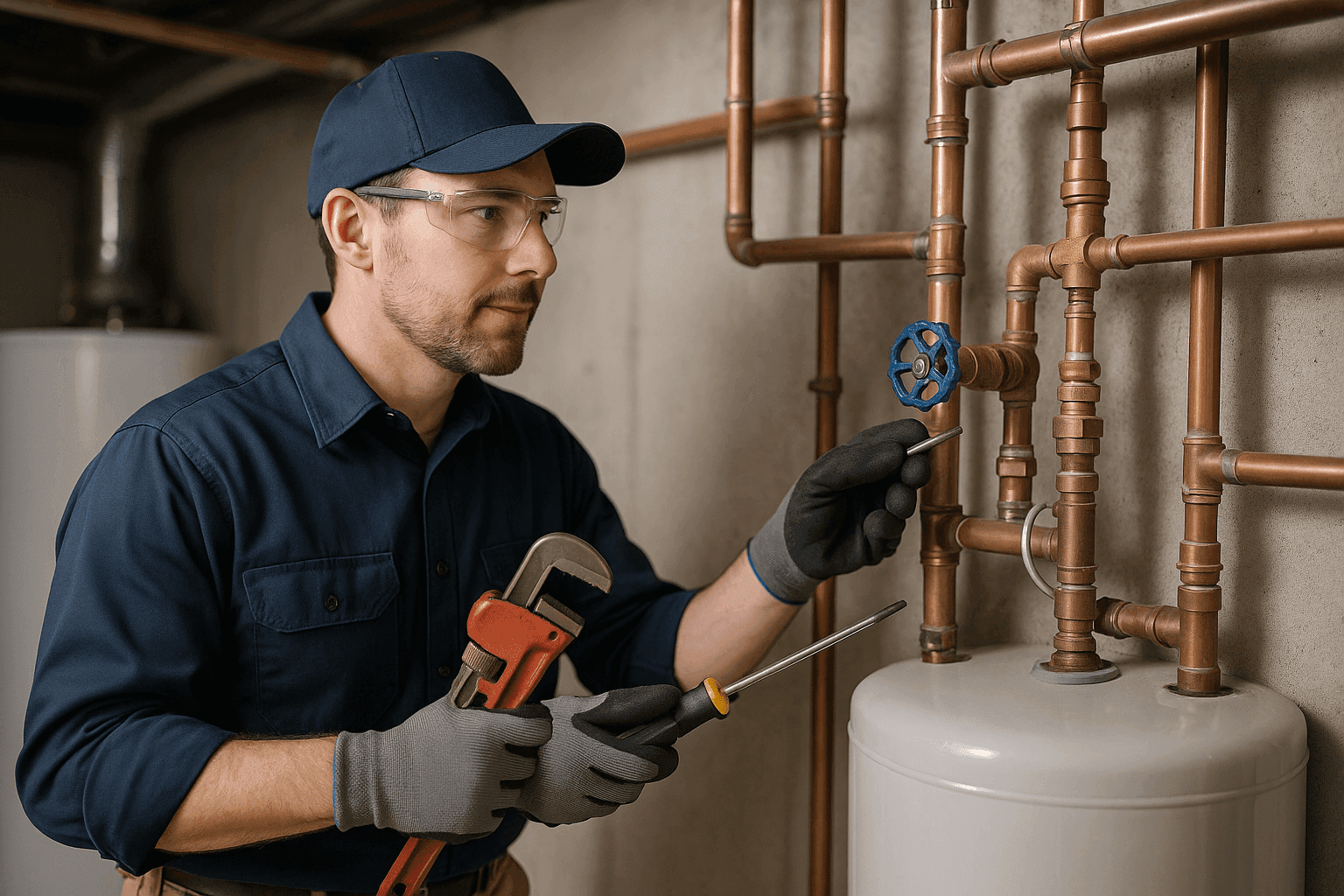
Every home and business relies on a healthy plumbing system. But most of us don’t think about it—until something goes wrong. A burst pipe, a clogged drain, or a cold shower on a winter morning can turn a regular day upside down.
At Super Snake Plumbing, we know that a little prevention goes a long way. With the right year-round care, you can keep emergencies at bay and enjoy peace of mind. Let’s walk through how you can make your plumbing system last, save money, and avoid those unexpected headaches.
Why Year-Round Plumbing Maintenance Matters 🛠️
Imagine your plumbing system as the veins of your building—always working, mostly unseen. When everything flows smoothly, life is easy. But neglect can lead to leaks, water damage, or even costly repairs that hit your wallet hard.
Here’s why staying on top of maintenance is worth your time:
- Cost Savings: Small leaks or slow drains left unchecked can lead to major repairs. Regular checkups catch minor issues before they snowball.
- Avoiding Emergencies: Emergency plumbing calls often happen at the worst times. Routine care helps you dodge those midnight surprises.
- Extending System Life: Pipes, water heaters, and fixtures last longer when they’re cared for—just like any machine or appliance.
- Protecting Your Property: Water damage is sneaky. It can ruin floors, walls, and valuables. Prevention keeps your investment safe.
- Health and Safety: Hidden leaks can lead to mold or mildew, which can affect air quality. Keeping things dry and clean matters.
The bottom line: Maintenance isn’t just about avoiding trouble. It’s about keeping your home or business comfortable, safe, and running smoothly.
Seasonal Plumbing Maintenance Checklist
Your plumbing faces different challenges as seasons change. Here’s your guide to keeping things in top shape—no matter the weather.
Spring
- Inspect for Winter Damage: Check pipes, outdoor faucets, and hose bibs for cracks from freezing.
- Clear Gutters and Downspouts: Prevent water from pooling near your foundation.
- Test Sump Pump: Pour water into the pit to make sure it kicks on.
- Check for Leaks: Look under sinks, around toilets, and in the basement for drips or puddles.
Summer
- Monitor Water Pressure: High pressure can strain pipes; use a gauge to check.
- Look for Slow Drains: Summer gatherings can mean more kitchen and bathroom use—clear out clogs early.
- Inspect Sprinkler Systems: Check for leaks or broken heads that waste water.
- Check for Moisture: Humid months can hide leaks. Watch for damp spots on walls or ceilings.
Fall
- Flush Water Heater: Sediment can build up and reduce efficiency. Follow manufacturer’s instructions for flushing.
- Insulate Exposed Pipes: Especially in unheated spaces like garages or crawl spaces.
- Disconnect and Drain Hoses: Prevent outdoor faucets and pipes from freezing.
- Check Sump Pump Again: Autumn storms can bring heavy rain—make sure your pump is ready.
Winter
- Drip Faucets in Freezing Weather: Keeps water moving to prevent frozen pipes.
- Seal Drafts: Cold air in crawl spaces or basements can freeze pipes.
- Check for Ice Dams: On roofs, ice can cause leaks that find their way inside.
- Know Your Main Shutoff: In case a pipe bursts, you’ll need to act fast.
Preventative Measures for Leak Detection and Repair
Leaks are like tiny time bombs. They start small, but over time, they can cause big headaches. Here’s how to stay ahead:
- Install Leak Detectors: Battery-powered alarms can alert you to hidden leaks under sinks or in basements.
- Check Water Meter: Turn off all water and watch the meter. If it still moves, you may have a hidden leak.
- Inspect Seals and Caulking: Around tubs, showers, and sinks—cracked caulk lets water sneak behind walls.
- Replace Old Hoses: Washing machine and dishwasher hoses can crack with age. Upgrade to braided stainless steel for extra peace of mind.
- Watch for Signs: Stains, musty smells, or peeling paint can all point to water problems.
If you spot a leak and can’t fix it quickly, shut off your water and call for emergency plumbing help. Fast action limits damage.
Maintaining Water Heaters, Sump Pumps, and Sewer Lines
Some plumbing parts need special attention. Here’s how to keep the big players working:
Water Heaters
- Annual Flush: Removes sediment that can clog and overheat the tank (check your owner’s manual for details).
- Test the Pressure Relief Valve: Lift the lever to make sure it works—this prevents dangerous pressure buildup.
- Check for Rust or Corrosion: Around the base or fittings. Rusty water or odd noises are warning signs.
Sump Pumps
- Test Regularly: Pour water into the pit to see if it turns on and drains properly.
- Clean the Pit: Remove debris that could clog the pump.
- Backup Power: Consider a battery backup—power outages often happen during storms.
Sewer Lines
- Watch for Slow Drains: Multiple slow drains can mean a main line clog.
- Avoid Flushing Wipes or Grease: These can block pipes and cause backups.
- Schedule Inspections: Video camera inspections can catch root invasions or cracks before they become emergencies.
When to Call a Professional for Maintenance or Repairs
Some jobs are best left to the pros. Here’s when to pick up the phone:
- Persistent Clogs: If plungers and cleaners don’t work, it could be a sign of a deeper issue.
- Low Water Pressure: This can signal leaks, blockages, or even broken pipes.
- No Hot Water: Water heater repairs can be dangerous—especially with gas lines involved.
- Visible Water Damage: Stains or warping mean water is getting where it shouldn’t.
- Strange Smells: Sewer or gas odors are always a reason to call for help immediately.
Professional plumbers have the right tools and training to diagnose and fix issues safely. Regular inspections—at least once a year—can catch problems you might miss. According to the International Association of Plumbing and Mechanical Officials (IAPMO), routine maintenance is one of the best ways to extend the life of your plumbing system.
Practical Tips for Everyday Plumbing Care
- Don’t Ignore Drips: Even a slow drip can waste hundreds of gallons per year.
- Use Drain Screens: Catch hair and debris before they cause clogs.
- Know Your Shutoff Valves: Label them so everyone knows how to turn off water in an emergency.
- Be Careful What Goes Down the Drain: No grease, coffee grounds, or “flushable” wipes.
- Check Appliances: Inspect hoses and connections on dishwashers, washing machines, and refrigerators.
Frequently Asked Questions
How often should I have my plumbing inspected?
Once a year is a good rule of thumb for most homes and small businesses. Older buildings or those with frequent issues may need more frequent checks.
What’s the best way to prevent frozen pipes?
Insulate exposed pipes, seal drafts, and let faucets drip during extreme cold. Know where your main shutoff valve is—just in case.
Are chemical drain cleaners safe?
They can damage pipes over time and are often not effective against tough clogs. Mechanical cleaning (like snaking) is safer and more effective.
Why does my water pressure drop suddenly?
Sudden drops can signal leaks, pipe bursts, or main line issues. If you can’t find the cause, call a professional right away.
Special Considerations for Businesses
If you own a small business, plumbing problems can disrupt your operations and affect your reputation. Regular maintenance keeps your bathrooms, kitchens, and restrooms working for staff and customers alike. Schedule inspections during off-hours to minimize interruptions, and make sure employees know how to report leaks or issues quickly.
Safety First: Code and Compliance
Always follow local plumbing codes and safety guidelines. For gas lines, water heaters, or backflow prevention, professional installation and inspection are required by law in many areas. The Occupational Safety and Health Administration (OSHA) and the Uniform Plumbing Code (UPC) set standards to keep everyone safe.
Don’t wait for a leak to become a flood. A little attention now can save you time, money, and stress down the road. For reliable plumbing maintenance and emergency plumbing services, Call Super Snake Plumbing now — or reach us anytime at 877-837-7140 .