Low Water Pressure? Common Causes & How to Boost It
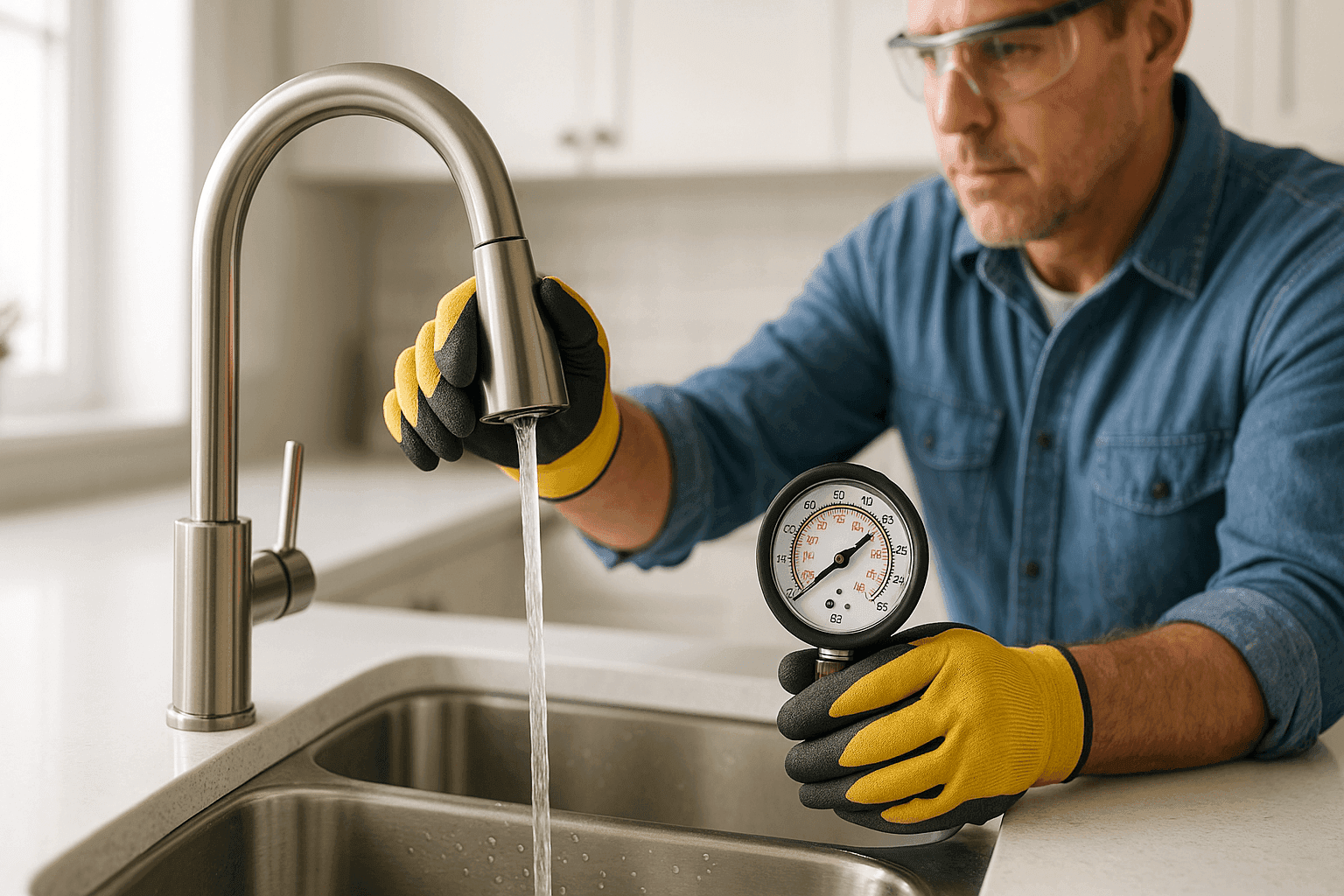
Have you turned on the tap only to be met with a feeble trickle instead of a steady stream? Shower that feels more like a drizzle than a downpour? You’re not alone. Low water pressure can sneak up on any homeowner, making simple chores a headache and signaling deeper plumbing issues.
At Super Snake Plumbing, we’re called day and night for emergency plumbing and routine fixes, and low water pressure is one of the top complaints. Let’s break down why it happens, what you can do, and when it’s time to bring in the pros.
What Causes Low Water Pressure at Home?
Water pressure is like your home’s heartbeat. When it skips or weakens, something’s off. Common culprits include:
- Clogged Pipes: Think of your plumbing like arteries—mineral deposits or rust can restrict flow over time.
- Hidden Leaks: Even a pinhole leak behind a wall can steal pressure. The water escapes before it reaches your tap.
- Faulty Pressure Regulator: This device keeps water from roaring in too strong. When it fails, pressure often drops across the house.
- Municipal Supply Issues: Sometimes the problem starts outside your home—in city mains or during maintenance work.
- Partially Closed Valves: The main shut-off or local fixture valves might not be fully open.
- Aging Pipes: Older homes with corroded or undersized pipes can’t keep up with demand.
Each cause has different fixes, and some are more urgent than others.
Safety First: Quick Water Pressure Checklist 🛑
Before you grab tools or call for emergency plumbing, run through these steps:
- Check All Fixtures: Is the problem everywhere or just one spot? This narrows down the source.
- Inspect for Visible Leaks: Look under sinks, around your water heater, and in the basement.
- Feel for Dampness: Wet spots on walls, ceilings, or floors may signal hidden leaks.
- Test Your Main Shut-Off Valve: Make sure it’s fully open.
- Listen for Hissing: A faint sound in walls might be water escaping under pressure.
- Note Recent Work: Has the city or a contractor been working on water lines near you?
If you find a leak or water pooling, shut off your supply and call for help right away.
Diagnosing Water Pressure: Whole House or One Fixture?
The location of your pressure problem is a big clue.
Whole House Issues
- Main Valve or Regulator: A whole-home drop often means something is wrong near your main supply.
- Municipal Supply: Check with neighbors. If they’re affected too, it’s likely a city supply issue.
- Aging or Blocked Pipes: Older pipework may be clogging with mineral buildup, especially in hard-water areas.
Single Fixture Problems
- Clogged Aerator: The tiny screen at the end of your faucet can fill with debris.
- Local Valve: The shut-off under a sink might be partially closed.
- Supply Line Kink: Flexible lines may be twisted or pinched.
DIY Fixes for Low Water Pressure
Some fixes are simple, quick, and safe to try:
- Clean Faucet Aerators: Unscrew the tip, rinse the screen, and reinstall.
- Flush Showerheads: Soak in vinegar overnight to remove mineral buildup.
- Check Shut-Off Valves: Make sure all supply valves are fully turned on.
- Test Pressure With a Gauge: Home improvement stores sell inexpensive pressure gauges. Screw one onto an outdoor spigot to check your PSI (pounds per square inch). Normal range: 40–60 PSI for most homes, according to the International Association of Certified Home Inspectors.
- Replace Old Supply Lines: If hoses are kinked or corroded, swap them out.
If these don’t work, the issue may be deeper in your plumbing or behind the walls.
When to Call a Pro
Some pressure problems are too risky or complex for DIY. Call Super Snake Plumbing if:
- You suspect hidden leaks.
- Your pipes are very old, corroded, or made from outdated materials.
- Pressure drops suddenly and dramatically.
- You notice water discoloration or rust.
- You hear persistent hissing or dripping in walls.
- You need emergency plumbing, like a burst pipe.
Professionals use advanced leak detection, video inspection, and pressure testing tools to find and fix the root cause.
What Pros Do On Arrival
When you call Super Snake Plumbing for low water pressure, here’s what you can expect:
- Whole-Home Pressure Test: We’ll measure pressure at multiple points to pinpoint the issue.
- Visual & Video Inspection: Using cameras, we check pipes for clogs, corrosion, or breaks.
- Leak Detection: Specialized sensors can “hear” leaks behind walls or under floors.
- Valve & Regulator Assessment: We check and adjust your pressure regulator and main valves.
- Municipal Coordination: If it’s a city supply problem, we’ll help you navigate next steps.
Our licensed plumbers work according to local plumbing codes and regulations to ensure safety and reliability.
Prevention & Maintenance Tips
Don’t wait for pressure to drop to a trickle. Routine care helps:
- Annual Plumbing Inspections: Catch leaks or corrosion before they become big problems.
- Drain Cleaning near you: Prevents buildup that chokes your pipes.
- Water Softener Maintenance: Reduces mineral scale in hard-water areas.
- Replace Aging Pipes: Repiping with modern materials (like PEX or copper) can restore pressure and safety.
- Monitor Water Pressure: Install a simple gauge and check monthly.
Regular checks add years to your plumbing and keep showers—and appliances—running smoothly.
Costs & Time Factors
Low water pressure repairs vary by cause:
- Simple Fixes: Cleaning aerators or adjusting valves can take minutes.
- Leak Repairs or Pipe Replacement: May require hours, especially if hidden behind walls.
- Pressure Regulator Replacement: Often a same-day job.
- Major Repiping or Sewer Line Installation: Can take several days, depending on the home’s size and pipe access.
Labor and material costs depend on the job’s complexity and your home’s age. For emergencies, 24/7 response ensures you aren’t left waiting.
When Is Low Water Pressure an Emergency? 🚨
Sometimes, low pressure is more than an inconvenience—it’s a red flag.
- Burst Pipes: Sudden drops often point to a major leak. Shut off the water and call for emergency plumbing.
- Water Heater Issues: Pressure changes can signal tank leaks or valve failures.
- Sewer Line Backups: Low pressure plus slow drains can mean a sewer blockage.
If you lose water completely or see water damage, act fast to prevent mold, higher repair bills, and further property damage.
FAQ: Your Low Water Pressure Questions Answered
Q: Why does my water pressure drop suddenly in winter?
A: Cold snaps can freeze pipes, causing blockages or even bursts, especially in poorly insulated areas.
Q: Can seasonal city work affect my pressure?
A: Yes. Flushing hydrants, main repairs, or droughts can temporarily lower pressure. Check with your water provider if neighbors are affected too.
Q: Is low water pressure bad for appliances?
A: Yes. Dishwashers, washing machines, and water heaters need steady pressure to perform and last. Low pressure can shorten their lifespan.
Q: Why do only certain faucets have low pressure?
A: This usually means a local issue—like a clogged aerator or a partially closed valve—rather than a whole-house problem.
Local & Seasonal Considerations
In many regions, water pressure dips during peak usage—like mornings or hot summers. Older neighborhoods may suffer from outdated municipal pipes. Heavy rains can flood sump pumps and strain sewer lines, affecting pressure and drainage. If your home is in a freeze-prone zone, insulate pipes before winter to avoid blockages and bursts.
Stay alert to changes, especially after storms or city repairs.
Don’t let low water pressure put your life on hold. Whether it’s a slow trickle or a sudden emergency, Super Snake Plumbing is ready to help—day or night.
Call Super Snake Plumbing now — or reach us anytime at 877-837-7140 .