How to Choose the Right Water Heater for Your Home
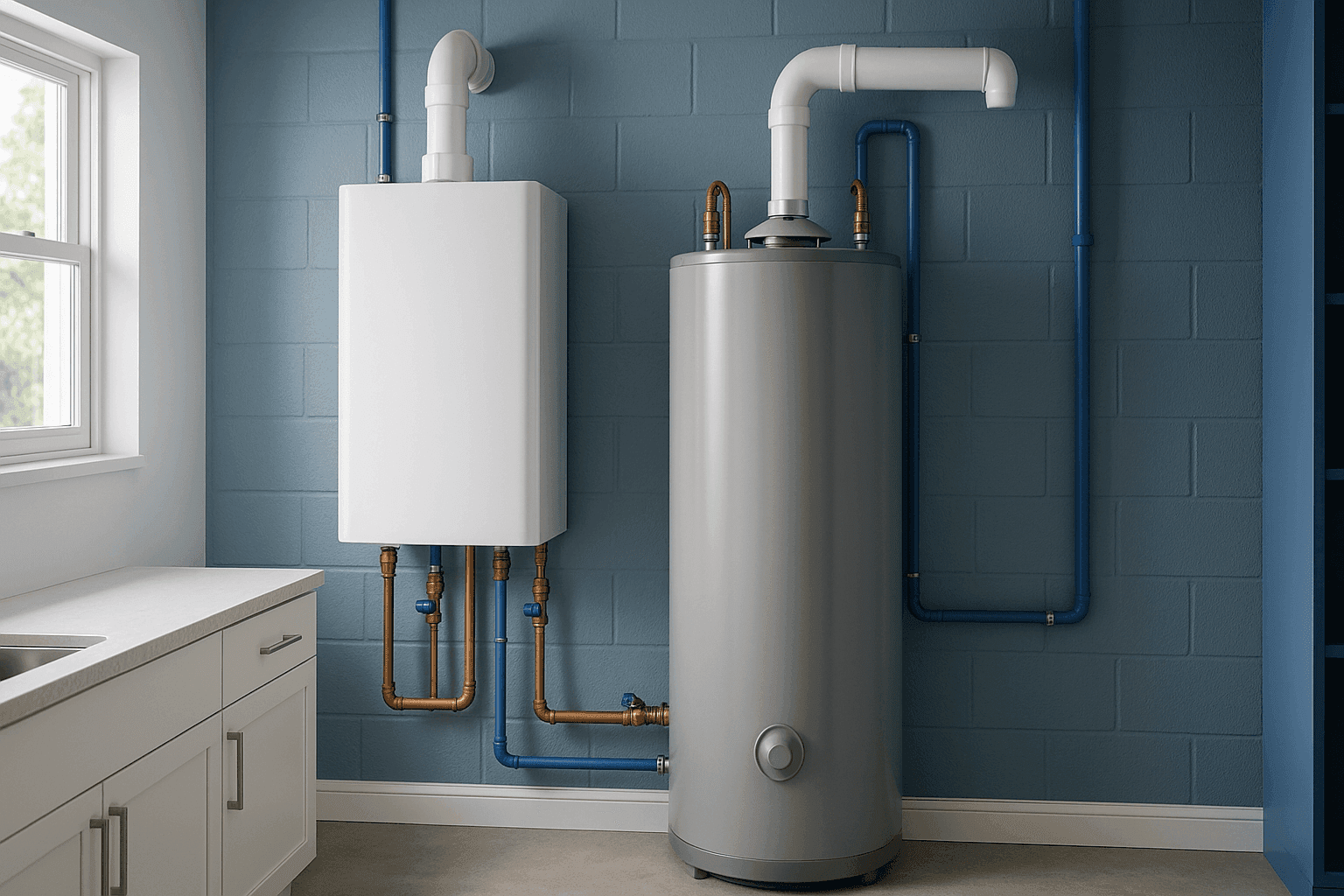
Choosing a water heater isn’t something most homeowners look forward to. But when your old tank starts rumbling like a thunderstorm—or worse, leaves you shivering mid-shower—it suddenly matters a lot. At Super Snake Plumbing, we help families like yours make the right call every day.
Let’s break down your options. No guesswork. No confusion. Just clear, practical advice you can use right now.
Why Your Choice Matters
Think of your water heater as the engine of your home’s comfort system. The right one keeps showers hot, dishes sparkling, and utility bills in check. The wrong one? It can nickel-and-dime you for years or fail when you need it most.
With options like tank, tankless, and hybrid models, it’s easy to feel lost. But each type has its own strengths, quirks, and best-fit scenarios. Let’s demystify them.
Comparing Your Options: Traditional, Tankless, and Hybrid Water Heaters ⚡
Traditional Tank Water Heaters
- How they work: These units keep a big tank of water hot, ready for use.
- Pros:
- Lower upfront cost
- Simple technology, easy to repair
- Familiar for most homes
- Cons:
- Limited hot water (when it’s gone, you wait)
- Standby heat loss—like leaving the oven on, even when you’re not cooking
- Bigger footprint, takes up more space
- Lifespan: 8–12 years (per ASHRAE)
- Energy Efficiency: Typically lower, though insulated models are improving
Tankless Water Heaters
- How they work: Heat water instantly as you need it—no storage tank.
- Pros:
- Endless hot water
- Compact, wall-mounted design
- Higher efficiency (no standby losses)
- Cons:
- Higher upfront cost
- May need larger gas lines or electrical upgrades
- Can be less effective if multiple showers run at once
- Lifespan: 15–20 years (U.S. DOE)
- Energy Efficiency: Up to 34% more efficient for homes using less than 41 gallons per day
Hybrid (Heat Pump) Water Heaters
- How they work: Use electricity to move heat from air into the water, like a fridge in reverse.
- Pros:
- Extremely efficient—up to 3x more than standard tanks
- Can help dehumidify the utility room
- Cons:
- Higher upfront cost
- Needs more space and proper ventilation
- Not ideal for very cold spaces (like unheated garages)
- Lifespan: 10–15 years
- Energy Efficiency: ENERGY STAR® rated models can cut water heating bills by over 50%
How to Size Your Water Heater
Big family? Love long showers? Or just need enough for a couple of quick loads of laundry? Here’s how to match the heater to your needs:
- Traditional tank: Look for the “first hour rating” (FHR) on the label. A family of four usually needs 50–60 gallons.
- Tankless: Check gallons-per-minute (GPM) flow rates. Add up showers, dishwasher, and laundry that might run at the same time.
- Hybrid: Similar to tank sizing, but consider temperature swings in your utility space.
Pro tip: Oversizing wastes money. Undersizing leads to cold showers. The U.S. Department of Energy’s sizing charts are a handy reference.
Installation Needs: What to Expect
Water heaters aren’t plug-and-play. Each type comes with its own checklist:
- Tank models: Needs sturdy floor space, good drainage, and code-compliant venting (for gas).
- Tankless: Often requires upgraded gas lines or a dedicated circuit. Needs wall space and proper fresh air intake.
- Hybrid: Needs room to “breathe”—at least 1,000 cubic feet of space. Some utility rooms may need upgrades.
Safety note: Local plumbing codes set the rules for installation. The National Standard Plumbing Code (NSPC) and Uniform Plumbing Code (UPC) are commonly referenced, along with building department requirements.
Factoring in Local Energy Costs 💡
Water heaters can be like cars: Some sip fuel, others guzzle. Before you decide, check:
- Electricity vs. gas rates: In some areas, gas is cheaper; in others, electricity wins.
- Off-peak programs: Some utilities offer lower rates for running appliances at night.
- Fuel availability: Not every home has a gas line. Adding one may cost extra.
Your monthly bill may shrink (or swell) depending on your choice. The yellow EnergyGuide label on each heater estimates annual energy use—use it like a “nutrition label” for your home.
Decision Checklist
Before you pull the trigger, run through this quick list:
- What’s my home’s fuel source—gas, electric, or both?
- How many people (and hot water needs) are in my household?
- Do I have the space (and ventilation) for the model I want?
- What’s my budget for upfront vs. operating costs?
- Are there rebates or incentives for energy-efficient upgrades?
- Am I comfortable with routine maintenance, or do I need a low-fuss solution?
Rebates and Incentives: Save Money on Efficient Upgrades 🏅
Many regions offer rebates for ENERGY STAR® water heaters. Check with your local utility, or visit the U.S. Department of Energy’s database of incentives. These programs can take a bite out of the upfront cost and reward you for choosing a greener option.
Federal tax credits may also apply for qualifying high-efficiency models. Save your receipts and ask your installer for the right paperwork.
Super Snake Plumbing’s Installation Guarantee
At Super Snake Plumbing, our licensed team follows all local codes and safety standards. We stand behind every installation—your comfort and peace of mind matter. Every job is done right the first time, so your new water heater runs safely and efficiently.
Still Debating? Real-World Scenarios
- Busy family, lots of laundry: A high-capacity tank or hybrid model may be the best match.
- Small home, space is tight: Consider a tankless, especially if you rarely need more than one shower at a time.
- Vacation home: Tankless saves on standby energy when you’re away.
Every home is unique. There’s no one-size-fits-all answer, but you don’t have to figure it out alone.
Frequently Asked Questions
How long does installation take?
Most standard tank replacements take about 2–4 hours. Tankless or hybrid models may take longer, especially if upgrades to gas, electrical, or venting are needed.
Are tankless water heaters really worth it?
They can be, especially for smaller homes or families that want endless hot water and lower energy bills. But the upfront cost can be higher, so factor in your long-term plans.
What maintenance do water heaters need?
All types benefit from annual checks. Tanks may need draining to flush out sediment. Tankless units need inlet screens cleaned. Hybrid models require air filters to be checked.
Should I install a water heater myself?
It’s risky—water, gas, and electricity don’t mix. Local plumbing codes require permits and safe connections. Leave it to a licensed pro.
Local and Seasonal Considerations 🍂
- Cold climates: Tankless and hybrid models are less efficient in unheated spaces. Insulate pipes to prevent freezing.
- Hard water: Mineral buildup can shorten heater life. Ask about water filtration systems.
- Older homes: May need updated venting, gas lines, or electrical service to meet code.
Final Thoughts: Take the Next Step
Choosing a water heater can feel overwhelming, but you’re not alone. The right choice saves money, boosts comfort, and lasts for years. Super Snake Plumbing is ready to help—day or night, with emergency plumbing or everyday installs.
Call Super Snake Plumbing now — or reach us anytime at 877-837-7140 .